Lambeth Council rules for waste disposal after cleaning
Posted on 31/07/2026
Lambeth Council rules for waste disposal after cleaning: a practical local guide
If you have just finished a deep clean, spring clean, end-of-tenancy tidy-up, or office refresh, the last thing you want is a pile of mixed rubbish sitting in the hallway. The Lambeth Council rules for waste disposal after cleaning can feel simple on the surface, but in practice they affect what you can put out, when you can put it out, and how you should separate anything left over. Get it wrong and you can end up with missed collections, complaints from neighbours, or a larger mess than you started with. Get it right, and the whole job feels oddly satisfying. Proper, calm, done.
This guide breaks the topic down in plain English. You will learn what usually counts as cleaning waste, how local waste handling typically works in Lambeth, what to do with bagged rubbish, recyclables, bulky items, and sharp or hazardous leftovers, and how to avoid the little mistakes that cause most problems. For readers in the wider South London area, this also ties into everyday property care, from end of tenancy cleaning in Kennington to routine home maintenance after a seasonal clean.
Why Lambeth Council rules for waste disposal after cleaning Matters
Cleaning creates waste, but not all waste is treated the same way. A few bin bags after a standard domestic clean are one thing; paint tins, broken glass, old mattresses, chemical bottles, and bagged carpet offcuts are another. Lambeth Council rules for waste disposal after cleaning matter because they help keep collections predictable, streets tidy, and residents on the right side of local expectations.
That might sound a bit dry, but in real life it matters for three reasons. First, waste left out incorrectly is easy to spot and easy to complain about. Second, mixed waste can be rejected if it does not meet collection rules. Third, in flats and converted houses, one person's "I'll just leave it by the front door" can quickly become everyone's problem. To be fair, this is one of those things you only have to get wrong once.
There is also a practical side for tenants, landlords, and cleaners. A final clean is often linked to a checkout inspection, a handover, or a return of deposit. If rubbish is still on site, it can make a property look uncared for even when the rooms themselves are spotless. The same goes for commercial settings, where the aftermath of a deep clean can include packaging, disposable cloths, and heavy waste from stored stock or fixtures. If your cleaning project is part of a wider property move, you may also find it useful to read this guide to end of tenancy cleaning for local flats.
Practical takeaway: cleaning waste is not just "rubbish". Sort it properly first, then put it out according to the collection setup your property actually has. That small pause saves a lot of hassle later.
How Lambeth Council rules for waste disposal after cleaning Works
The exact collection setup will depend on the property type, the street, and whether you live in a house, mansion block, purpose-built flat, or managed building. Still, the logic is usually the same: separate what can be recycled, bag general waste securely, and keep anything awkward, bulky, or hazardous out of the normal bin stream.
In plain terms, after cleaning you should ask four questions. What is it? Can it be recycled? Does it fit the ordinary household collection system? Does it need special handling? Once you start thinking that way, the whole process becomes a lot less confusing.
For example, a bag of vacuum debris, wipes, and dust sheets may go into general waste if local collection rules allow it. Cardboard boxes from new cleaning supplies might be flattened for recycling. Old spray bottles may need the cap removed or the container rinsed if required by local recycling guidance. A broken mop handle or metal frame may belong in reuse or bulky waste, depending on condition and size. And if you have cleaning-related chemicals, you should treat them cautiously rather than assuming they can just be binned with everything else.
For households and small businesses in the area, a sensible workflow is usually:
- Separate waste into general, recyclable, reusable, and special items.
- Keep sharps, broken glass, and chemicals apart from soft waste.
- Bag loose waste securely so it does not spill during handling.
- Check what your building or street collection system expects.
- Arrange bulky or unusual items separately if needed.
If you are planning a larger clean rather than a quick tidy-up, it helps to think about the full job from the start. Some readers pair disposal planning with a one-off service such as spring cleaning support in Kennington or a more intensive deep cleaning service, especially when a property has been neglected for a while.
Key Benefits and Practical Advantages
Following the rules is not only about avoiding a complaint. It makes the whole post-clean handover smoother and, honestly, less annoying for everyone involved. Here are the main advantages.
- Cleaner kerb appeal: bags, cartons, and broken items are less likely to be left visible outside the property.
- Fewer rejected collections: waste is more likely to be accepted if it is sorted and prepared properly.
- Better hygiene: sharp items, wet waste, and chemical residues are contained safely.
- Smoother move-outs: tenants and landlords can complete inspections without last-minute rubbish issues.
- Less stress for cleaners: a cleaner finish feels more professional when the disposal plan is already sorted.
- Reduced neighbour friction: especially in shared stairwells and small communal bin areas.
There is also a financial angle. If you accidentally mix items that should have been separated, you may end up needing a second disposal run or a special collection. That is time, effort, and sometimes money that could have been avoided. If you are comparing cleaning quotes more broadly, it is worth reading the real cost of cheap cleaning options because disposal problems often show up as "extras" later on.
And here is the quiet benefit people often overlook: good waste handling makes the property feel finished. Not almost finished. Finished. The bins are sorted, the hallway is clear, the room smells clean rather than chemical-heavy, and you can breathe out a little.
Who This Is For and When It Makes Sense
This topic is relevant to more people than you might think. It is not just for large commercial cleans or major clear-outs.
- Tenants preparing for check-out and trying to avoid avoidable deductions.
- Landlords and agents arranging turnaround cleaning between occupiers.
- Homeowners after a spring clean, declutter, or renovation tidy-up.
- Office managers dealing with packaging, paper waste, and outdated items after a reset clean.
- Professional cleaners who want to leave a property tidy, not just visually clean.
- Households with limited bin space where one extra bag can become a logistical puzzle.
It makes particular sense when cleaning produces one of the following: more waste than the usual weekly bin can handle, mixed materials like cardboard and plastic wrap, old cleaning product containers, or awkward items that will not fit neatly into normal bins. If you live in a flat, the issue can be even more sensitive because communal bin storage is often tight. A useful local perspective on day-to-day life in the area can be found in this article about living in Kennington, which gives a feel for the kinds of housing setups people actually deal with.
Truth be told, the larger the property, the more likely waste becomes the part nobody planned properly. The cleaning itself gets attention; the leftovers don't. Until they do.
Step-by-Step Guidance
If you want a simple system that works in real life, use this approach after any clean.
1. Walk the property before you bag anything
Do a slow walk through each room. Look for obvious waste first: packaging, used cloths, disposable gloves, empty product bottles, food waste, and anything broken. It sounds basic, but this is where people miss the awkward bits under beds, behind doors, or in cupboard corners.
2. Split waste into clear groups
Separate general waste, recycling, reusable items, and anything special. If you can donate or reuse something safely, do that before it becomes waste. A nearly new storage box is not the same as a soaked rag. One belongs to reuse, the other does not.
3. Bag general waste securely
Use strong bags and do not overfill them. If bags split on the way to the bin store or kerbside point, the whole job becomes messy again. Nobody wants that little burst of chaos at 7 a.m.
4. Treat chemical leftovers carefully
Cleaning products, aerosols, and stain removers should be checked individually. If a container still has residue, do not guess. Keep it separate and avoid mixing it with food waste or recycling.
5. Put recycling in the right stream
Flatten cardboard, keep recyclables clean where practical, and avoid throwing contaminated material into recycling by accident. A greasy pizza box is not the same as the clean box your vacuum arrived in.
6. Handle bulky items separately
If the clean uncovered a broken chair, old rug, mattress, or another large item, do not force it into a normal collection. Arrange a suitable bulky waste route or storage solution instead.
7. Check building rules and collection timing
For flats, timing can be everything. Some buildings only allow bin placement at certain hours or in specific stores. In smaller blocks, leaving bags in the wrong place can result in immediate complaints. If access is difficult, the issue is often discussed as part of the wider logistics of flat access for cleaners, and waste removal is usually part of that same headache.
8. Leave the area visibly finished
Before you leave, look at the place from the doorway. Is there a rogue bottle under the sink? Is there a stray cardboard flap in the hall? That final minute matters more than people think.
Expert Tips for Better Results
A few small habits make disposal much easier, especially after a deep clean or end-of-tenancy job.
- Set aside a waste zone before you start cleaning. A corner of the kitchen or utility room works well.
- Keep one bag for rubbish and one for recycling. Simple, but effective.
- Use clear bags for inspection-sensitive jobs. In some homes, it helps you see what is inside without opening everything.
- Do not leave damp textiles bunched up. They can smell quickly, especially in warm rooms.
- Label special waste. A quick note on masking tape can stop confusion later.
- Plan waste removal before the cleaner leaves. That timing avoids the "who's taking this?" shuffle at the end.
One small, real-world observation: the best cleaning jobs tend to feel boring at the end, in the nicest possible way. No drama. No extra pile by the back door. Just clean surfaces and rubbish already gone.
If you are booking a professional team, it can also help to ask in advance how they handle waste as part of the service scope. Some clients prefer a very hands-off experience, while others want to do final disposal themselves. If you are reviewing service options, the main services overview is a sensible starting point for understanding how the cleaning visit may be structured.
Common Mistakes to Avoid
Most problems with post-clean waste disposal come from rushing. The property is clean, everybody wants to leave, and the waste gets treated as an afterthought. That is usually where things go sideways.
- Mixing everything into one bag. Recycling, rubbish, broken items, and chemicals should not all travel together.
- Leaving bags in shared hallways. In flats, this is often the fastest route to complaints.
- Assuming every cleaning product container is recyclable. Not always true.
- Ignoring bulky waste. A sofa cushion is not the same as a whole sofa.
- Overfilling bags. They split, and then you have a second clean-up to do.
- Forgetting about wet materials. Damp cloths and mop heads can smell unpleasant surprisingly fast.
- Leaving disposal until the last minute. The most common mistake, and the easiest to avoid.
It is also worth avoiding "DIY confidence" where hazardous or awkward waste is concerned. If you are unsure about a product, container, or broken item, stop and separate it. Better to pause than guess. That is one of those rare places where being slightly fussy is actually the smart move.
Tools, Resources and Recommendations
You do not need a lot of gear to manage cleaning waste well, but a few practical items help a lot.
- Strong refuse sacks: useful for heavy vacuum waste and mixed household rubbish.
- Recycling bags or bins: helpful when you want to keep cardboard and plastics separate from general waste.
- Gloves: especially useful when handling broken items or dusty waste.
- Labels or marker tape: good for marking special items.
- A dustpan and brush or handheld vacuum: for the final sweep after bins are cleared.
- Storage tubs: handy if waste needs to be staged before disposal.
For readers organising a bigger clear-out, service planning matters as much as waste handling. A one-off cleaning visit can be a practical fit if you only need help once or twice a year, while regular households often find domestic cleaning support easier to coordinate over time.
And if you are comparing contractors, check their own practical policies too. Pages like insurance and safety and health and safety policy can give you a better sense of how seriously they treat handling, transport, and site hygiene. Not glamorous reading, admittedly, but useful.
Law, Compliance, Standards, or Best Practice
Waste disposal in the UK is shaped by general legal duties around proper handling, safe presentation, duty of care, and avoiding nuisance. For everyday residents, the safest approach is not to memorise legal wording but to follow the practical basics: separate waste properly, do not obstruct shared areas, and do not dump items that need special collection.
For homeowners and tenants, the most relevant standards are usually the building's own rules, the local collection arrangements, and common-sense hygiene. If you are in a managed block or rented property, the lease, tenancy agreement, or building management instructions may be just as important as council guidance. That is where disputes often start, by the way. Not with the rubbish itself, but with where it was left and who was supposed to deal with it.
Commercial properties should take a slightly stricter line. Office waste, packaging, confidential papers, and bulky fit-out items can require more careful separation and handling. If that sounds familiar, it may be worth looking at office cleaning in Kennington, because workplace cleaning and waste control usually go hand in hand.
Best practice: if an item is questionable, separate it first and make a decision second. The reverse order causes most trouble.
Options, Methods, or Comparison Table
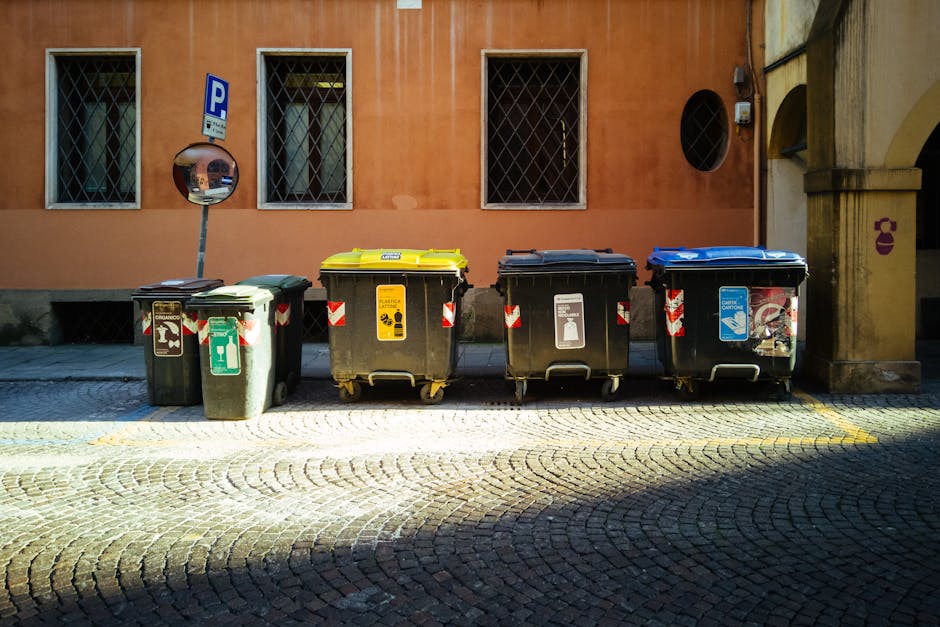
There is no one perfect disposal method for every situation. The best choice depends on the type of waste, the size of the job, and the property setup. Here is a simple comparison.
| Method | Best for | Advantages | Limitations |
|---|---|---|---|
| Normal household bins | Small amounts of general waste | Easy, familiar, usually no extra arrangement | Not suitable for bulky or hazardous items |
| Recycling stream | Cardboard, clean plastics, selected containers | Better sorting, lower contamination risk | Must be clean and correctly prepared |
| Bulky waste route | Large items after a major clean | Handles awkward items properly | Usually needs separate planning |
| Managed disposal by cleaners | Professional cleans with agreed scope | Saves time, keeps handover simple | Must be agreed clearly in advance |
| Client-managed disposal | Tenants, landlords, or owners who want control | Transparent and flexible | Requires time and local knowledge |
If you want help choosing the right cleaning approach before disposal even becomes an issue, a pricing page such as pricing and quotes can be useful for planning the job as a whole. That way, you are not discovering logistical surprises after the sofa has already been moved.
Case Study or Real-World Example
Picture a typical two-bedroom flat in a shared building. The tenants have just finished a deep clean before moving out. The kitchen is spotless, the bathroom has been scrubbed properly, and the carpets look far better than they did on arrival. But there is a pile of empty product bottles, a broken clothes rail, several cardboard boxes, and a bag of general rubbish waiting in the corner.
If they dump everything together in the communal bin room, two things can happen. The recycling becomes contaminated, and the bulky rail sits there because it does not fit in the standard bins. If the block has strict bin-store rules, the managing agent may also step in. Now the final impression of the flat is not "well cared for" but "last-minute and messy".
The better approach is simple. Cardboard gets flattened and separated. Empty bottles are sorted according to the building's recycling rules. The broken rail is set aside for a bulky collection or proper disposal method. The final general waste bags are tied securely and taken out at the correct time. The flat then passes handover with a much calmer finish.
That is the real point of Lambeth Council rules for waste disposal after cleaning: they help turn a decent clean into a proper handover. Not glamorous, but very practical. If you are organising this alongside a move, you may also find the guide to buying homes in Kennington and the property buying guide helpful for the wider transition too.
Practical Checklist
Use this checklist after any clean in Lambeth, especially if there is more waste than usual.
- Have I separated general waste from recycling?
- Have I removed reusable or donate-worthy items first?
- Are any bottles, aerosols, or chemicals still present?
- Have I checked for broken glass, needles, or sharp edges?
- Are all bags securely tied and not overfilled?
- Have I checked the building's bin store or collection rules?
- Do any bulky items need a separate plan?
- Have I kept damp cloths and mop heads contained properly?
- Is the hallway, front step, or bin area left clean?
- Do I know what to do with anything I am unsure about?
If the answer to any of these is no, pause and sort that item before you leave. It takes a few extra minutes. Usually worth it.
Get a free quote today and see how much you can save.
Conclusion
Lambeth Council rules for waste disposal after cleaning are really about one thing: finishing the job properly. A clean property should not end with confusion over bin bags, broken items, or loose rubbish in a shared space. Once you understand the basic flow - sort, secure, separate, and dispose in the right way - the whole process becomes much easier.
That approach protects hygiene, reduces stress, and helps you leave a property with the right final impression. Whether you are preparing for a tenancy handover, a family reset, or a business clean, a little planning goes a long way. And if the waste looks awkward, bulky, or borderline, it is usually better to stop and deal with it deliberately rather than improvise at the last minute.
Clean space, clear bins, fewer headaches. That's the good version of the story.


