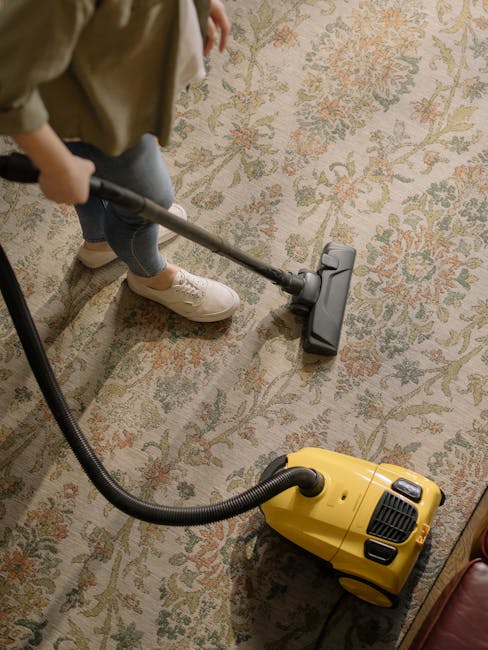
Kennington Park rug cleaning guide for local homes
Posted on 30/04/2026
Kennington Park Rug Cleaning Guide for Local Homes
If you live near Kennington Park, you probably know the feeling: muddy shoes by the door after a damp walk, a tea spill on the rug just as guests arrive, or that slow build-up of dust that somehow settles into every fibre. Rugs take a fair bit of punishment in London homes, and they quietly show it before anything else does.
This Kennington Park rug cleaning guide for local homes is written to help you understand what really works, what to avoid, and when it makes sense to bring in a professional. Whether your rug sits in a family living room, a hallway, a rental flat, or a home office, the goal is the same: keep it looking good, feeling fresh, and lasting longer. Simple enough in theory. A bit more involved in practice, as most things are.
You'll find step-by-step advice, practical comparisons, local considerations, and a checklist you can actually use. If you want broader help with your home routine, you may also find useful ideas in our local guide to living in Kennington and our service pages for carpet cleaning in Kennington and deep cleaning support.
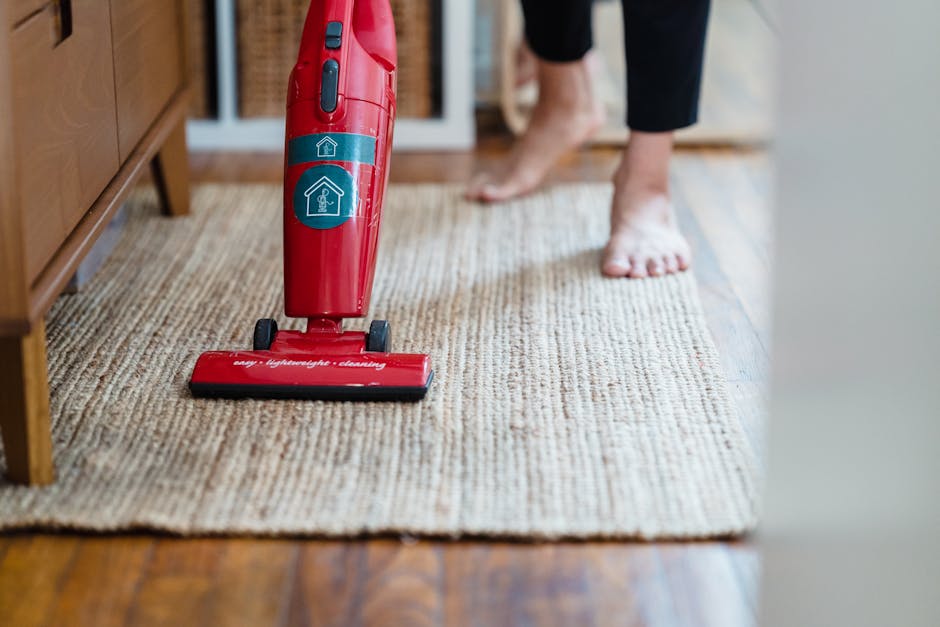
Why Kennington Park rug cleaning guide for local homes Matters
Rugs do more than decorate a room. They soften footsteps, reduce noise, anchor furniture, and make a place feel lived-in rather than echoey and cold. In local homes around Kennington Park, though, rugs also tend to collect the practical realities of everyday life: street dust, pet hair, pollen from open windows, wet-weather grit, and the occasional food or drink spill. It all lands somewhere, and rugs are often the first stop.
That matters because rugs are not just surface items. Dirt works down into the pile, where it can dull the colour, flatten the fibres, and make a rug feel tired long before it should. If you've ever vacuumed a rug only to realise it still looks a bit grey and flat, that's usually what's happening. The good news? Most of it is manageable if you know the right approach.
This guide matters for another reason too: many homes near Kennington Park include a mix of flooring types, busy family spaces, period features, and compact rooms where one rug does a lot of heavy lifting. In those settings, the wrong cleaning method can leave marks, shrinkage, colour run, or a damp smell that hangs around far too long. Not ideal. Better to know the basics first.
For households planning wider maintenance, rug care often fits neatly alongside spring cleaning in Kennington or a general one-off cleaning visit. That way, the rug does not become the forgotten item at the centre of the room while everything else gets attention.
How Kennington Park rug cleaning guide for local homes Works
At a practical level, rug cleaning follows a straightforward pattern: remove loose dirt, treat spots, clean the fibres safely, and dry the rug properly. The trick is choosing the right method for the rug's material, construction, age, and condition. A modern synthetic rug can usually tolerate more than a delicate wool or natural fibre rug, but even then, "more" is not the same as "better".
Most good rug cleaning starts with inspection. You check the label if there is one, identify the fibre, look for colourfastness issues, and note any damage already present. Frayed edges, loose stitching, old stains, or backings that have gone brittle will all affect the process. Skipping that step is how people end up with a rug that looks worse after cleaning than before. Nobody wants that story.
The next stage is dry soil removal. Vacuuming from both sides, where possible, helps lift dust and grit before moisture is introduced. Then comes spot testing. A small, hidden area is checked with the chosen cleaner to see whether the dye bleeds or the pile reacts badly. This sounds fussy, but it's the difference between confidence and guesswork.
After that, cleaning can happen in one of several ways:
- Dry or low-moisture cleaning for certain delicate rugs and maintenance refreshes.
- Hand cleaning for fragile, high-value, or unusual rugs.
- Hot water extraction for many robust synthetic rugs, provided the rug can handle moisture.
- Specialist treatment for wool, silk, antique, or handwoven pieces.
Drying is the final piece, and it matters more than people often think. A rug that is cleaned but not dried properly can smell musty, develop wick-back stains, or encourage mould in the backing. In a flat or house where windows do not open widely, airflow is part of the process, not an afterthought. If needed, professional support through services designed for local homes can reduce the faff and protect the rug at the same time.
Key Benefits and Practical Advantages
A well-cleaned rug does more than look presentable. It changes how a room feels. You notice it when you walk in: the colours are clearer, the pile is perkier, and the room no longer carries that dusty, slightly stale note that builds up quietly over time. To be fair, most people only notice a rug when it goes wrong. A good clean brings it back into the room again.
Here are the real benefits local homeowners usually care about:
- Better appearance: patterns stand out, colours look fresher, and the whole room feels more cared for.
- Reduced allergens and dust: especially useful for homes with pets, children, or frequent visitors.
- Longer rug life: grit acts like sandpaper inside fibres, so removing it helps prevent wear.
- Odour control: food, pet, and moisture smells tend to sit in rug fibres if left too long.
- Better value for money: cleaning is usually far cheaper than replacing a decent rug.
- More pleasant rooms: a clean rug makes a big difference in living rooms, bedrooms, and hallways.
There is also a practical benefit that gets overlooked: cleaner rugs help the rest of your cleaning routine work better. Vacuuming becomes easier, dust does not settle back as quickly, and the room generally feels less "busy". If you're already thinking about domestic upkeep, you might want to look at domestic cleaning in Kennington or house cleaning support as part of a wider plan.
Expert summary: The best rug cleaning approach is the one matched to the rug, not the one that looks fastest. Fibre type, dye stability, backing, and drying time all matter more than most people expect.
Who This Is For and When It Makes Sense
This guide is useful if you live in a Kennington Park area home and your rug is part of everyday life rather than a display piece. That includes families with children, pet owners, renters preparing a home for inspection, first-time buyers settling into a new place, and anyone who wants to keep a rug in decent condition without turning cleaning into a weekend project.
It makes particular sense in these situations:
- You've noticed a spill, mark, or smell and want to act before it sets.
- Your rug gets heavy foot traffic from a hallway, living room, or entrance space.
- You are moving into a property and want to refresh soft furnishings.
- You're preparing for guests, a letting inspection, or a seasonal deep clean.
- You have a rug made from wool, cotton, viscose, jute, silk, or a blend and are unsure how to treat it.
It also makes sense if you're comparing whether the job is a straightforward DIY clean or something better handed over to a professional. Some rugs are simply not worth experimenting on, especially if they're valuable, sentimental, or already fragile. A bit of caution here saves a lot of regret later.
If you're exploring local home services more broadly, a helpful next step is reading about the team behind the service and checking pricing and quote information so you can decide with a clear head rather than guessing.
Step-by-Step Guidance
Here's a practical method for cleaning a rug safely at home. It is not glamorous, but it works when the rug is suitable for home treatment and the problem is manageable.
1. Identify the rug before you clean it
Look for a care label and check the fibre. Wool, cotton, synthetic blends, jute, sisal, silk, and antique or hand-knotted rugs all behave differently. If you can't identify the material, treat it as delicate. That's the safer move.
2. Remove loose dirt first
Vacuum both sides if the rug can be lifted safely. Use a suction-only setting where possible, especially on long pile, fringe, or older rugs. You're trying to remove the abrasive grit before moisture turns it into a muddy paste.
3. Test a hidden area
Apply a small amount of your chosen cleaner to a corner or underside. Wait to see whether the colour transfers or the texture changes. A dull patch or colour bleed is your cue to stop. No shame in that.
4. Treat stains gently
Blot, don't rub. Work from the outside of the stain inwards so it does not spread. Use a clean white cloth, not a coloured one that might transfer dye. For oily marks, a suitable rug-safe cleaner may help, but strong household chemicals can cause more harm than good.
5. Clean the rug using the right method
For some synthetic rugs, light shampooing or controlled extraction may be appropriate. For wool and finer textiles, low-moisture or hand-cleaning methods are usually safer. If the rug is large, awkward, or expensive, getting the method wrong is the real risk, not the stain itself.
6. Rinse or remove residue properly
Cleaning residue left in the pile can attract dirt again quickly. That's why over-wetting with too much detergent often creates a "clean but not really clean" result. A rug that feels sticky after drying usually needs better rinsing.
7. Dry with airflow
Air drying with good ventilation is best. A rug should be fully dry before being put back on the floor, especially over wood, laminate, or under furniture. A slightly damp rug hidden under a sofa is how people discover that unpleasant musty smell a day or two later. Bit annoying, and easy to avoid.
8. Reposition and protect
Once dry, rotate the rug if possible and consider a rug pad or underlay. It helps with slip resistance, reduces wear, and gives the fibres a better base. If you want a broader refresh, pairing rug care with seasonal spring cleaning can make the whole room feel reset.
Expert Tips for Better Results
Small choices make a surprising difference. In our experience, the homes that keep rugs looking good are not necessarily doing dramatic deep cleans every week. They just do a few sensible things consistently.
- Vacuum regularly, but gently. High suction can pull at fringes and loosen fibres.
- Deal with spills quickly. A fresh spill is far easier than a set stain the next morning.
- Use the smallest effective amount of liquid. More water is not a badge of honour.
- Rotate rugs. Sunlight and foot traffic wear one side faster than the other.
- Keep an eye on fringes and edges. These areas often fail before the main body of the rug.
- Don't ignore smells. Odour can be the clue that moisture or residue is still trapped inside.
One useful habit is to treat rug cleaning as part of room maintenance rather than a separate chore. If the room needs dusting, vacuuming, or a broader tidy-up, your rug probably does too. That sounds obvious, but it saves a lot of last-minute panic before visitors arrive.
If a rug is expensive, antique, or sentimental, consider taking the conservative route. Sometimes the expert tip is simply: do less, more carefully. Not very dramatic, but very effective.
Common Mistakes to Avoid
Most rug damage comes from enthusiasm, not neglect. People try to fix a small problem quickly, and that's where things go sideways. A few mistakes come up again and again.
- Scrubbing stains hard: this can distort the pile, spread the mark, or push dirt deeper.
- Using bleach or strong household chemicals: these can strip colour and weaken fibres.
- Soaking the rug: too much water can affect backing, underlay, and floorboards underneath.
- Skipping the spot test: a quick test could save the whole rug.
- Drying in a closed room: poor airflow lengthens drying time and increases mustiness.
- Cleaning all rugs the same way: one-size-fits-all is a poor strategy here.
Another common mistake is waiting too long. A fresh mark on a rug is annoying; a month-old stain is a project. If you're renting or preparing a property for the next stage, this becomes even more important. A tidy rug can make a space feel cared for, which is one reason people pair rug care with end of tenancy cleaning or even a full house cleaning service.
Tools, Resources and Recommendations
You do not need a mountain of gear to keep a rug in good shape. A modest kit is usually enough for day-to-day care, while more complex jobs benefit from professional equipment and experience.
| Tool or resource | Best use | Why it helps |
|---|---|---|
| Vacuum with adjustable suction | Routine dust and grit removal | Protects pile and fringes while lifting loose dirt |
| White microfibre cloths | Blotting spills and test spots | Reduces dye transfer and helps you see what's lifting |
| Soft brush | Gentle fibre lifting after drying | Restores a more even appearance without rough treatment |
| Rug-safe cleaner | Spot treatment or light cleaning | Designed to be less aggressive than general household products |
| Fan or good ventilation | Drying | Speeds drying and helps prevent damp smells |
For homeowners who prefer not to guess, the most useful resource is often a professional consultation or a clear service overview. Have a look at the full services overview, then use the quote request page if you want a more specific recommendation for your rug type and room setup.
It can also help to think about the whole home, not just the rug itself. A rug in a high-traffic hallway may need different care from one in a quiet bedroom, and a family room rug can age very differently from one in a spare room that only gets used on weekends. Homes are like that.
Law, Compliance, Standards, or Best Practice
For most household rug cleaning, there is no special legal complexity for the homeowner. Still, best practice matters, especially if you hire a cleaner or use a service provider in the home. You want products handled sensibly, equipment used safely, and the work carried out in a way that respects your home and belongings.
From a practical UK standpoint, these are the main points worth keeping in mind:
- Product safety: cleaning agents should be used according to their instructions and kept away from children and pets.
- Ventilation: indoor cleaning should not leave lingering fumes or trapped moisture where avoidable.
- Electrical care: if equipment is used indoors, leads, sockets, and drying tools should be managed safely.
- Surface protection: moisture should not be allowed to damage wood floors or delicate finishes underneath rugs.
- Service standards: a reputable provider should be clear about what is and is not suitable for a particular rug.
If you are comparing providers, it is sensible to check general trust pages too, not just the service page. Our insurance and safety information, health and safety policy, and terms and conditions are there to help set clear expectations. That kind of transparency matters. It really does.
Options, Methods, or Comparison Table
Choosing a rug cleaning method depends on the rug itself and the result you want. The wrong method can be unnecessarily harsh; the right one can make a rug look revived without stressing the fibres. Here's a simple comparison to help you think it through.
| Method | Best for | Pros | Watch out for |
|---|---|---|---|
| Vacuuming and maintenance clean | All rugs | Fast, low-risk, keeps dirt from building up | Won't remove deep stains or embedded residue |
| Spot cleaning | Fresh spills and isolated marks | Targeted and cost-effective | Can spread stains if rubbed or over-wetted |
| Low-moisture cleaning | Delicate or moisture-sensitive rugs | Reduced drying time, lower moisture risk | May not suit heavy soiling |
| Hot water extraction | Robust synthetic rugs | Good for deep soil removal | Not ideal for every fibre or backing |
| Professional specialist cleaning | Wool, silk, antique, handwoven or valuable rugs | Tailored approach and better protection | Usually costs more than DIY, but often worth it |
As a rule of thumb, the more delicate or valuable the rug, the more careful the method should be. If you are not sure where your rug sits on that scale, it's usually better to ask before cleaning rather than after a mistake. A quiet phone call now can save a noisy repair job later.
Case Study or Real-World Example
Here's a typical local scenario. A family in a Kennington flat has a medium-sized rug in the living room. It has seen winter boots, toddler snacks, and a pet who is very convinced the rug belongs to him. Nothing dramatic, just normal life. The rug looks dull, has a few surface marks, and carries a faint lingering smell that becomes noticeable in the evening when the windows are shut.
They start with vacuuming both sides, remove loose grit, and notice that a small stain near the edge is older than they thought. A quick test in a hidden corner shows the rug is colour-sensitive, so they stop short of using a stronger cleaner. Instead, they use gentle spot treatment, controlled moisture, and steady drying with good ventilation. The rug does not come out looking brand new. That would be unrealistic. But it does look brighter, feel cleaner underfoot, and no longer has that stale note in the room.
The useful lesson is simple: a careful, appropriate clean usually beats an aggressive one. And in a lot of London homes, that's the real win. You want the rug to look better, not to become a chemistry experiment.
If that sounds familiar, a service such as deep cleaning in Kennington or a targeted rug and carpet care solution may be a more efficient next step than trying to power through every mark yourself.
Practical Checklist
Use this before you clean a rug at home or book help. It keeps things calm and avoids the usual last-minute scramble.
- Check the rug label or identify the fibre.
- Look for damage, fraying, loose threads, or old repairs.
- Vacuum both sides if possible.
- Test any cleaner on a hidden area first.
- Blot spills rather than rubbing them.
- Use the least moisture needed for the job.
- Keep airflow going during drying.
- Make sure the rug is fully dry before placing it back.
- Rotate the rug to even out wear.
- Book professional help if the rug is delicate, valuable, or still not right after cleaning.
Quick takeaway: if the rug is fragile, expensive, antique, or unusually stained, the safest choice is often a specialist approach rather than a harsher general clean.
Conclusion
A good rug cleaning routine does not need to be complicated. It needs to be sensible. Know the rug, remove dirt early, use the right method, and dry it properly. Do that consistently and your rug will look better for longer, smell fresher, and cope much more gracefully with everyday life around Kennington Park.
For many local homes, the real decision is not whether to clean a rug, but how carefully to do it. Sometimes DIY is enough. Sometimes professional help is the better call, especially with delicate or high-value rugs. Either way, a bit of attention now tends to pay off later. Rugs are patient, but they do keep score.
If you'd like help deciding what your rug needs, explore our pricing and quote options, or speak with a local team through our contact page for straightforward advice.
Get a free quote today and see how much you can save.
And if you're building a wider home-care routine, a clean rug is a small thing that makes a surprisingly big difference. Quietly, it lifts the whole room.